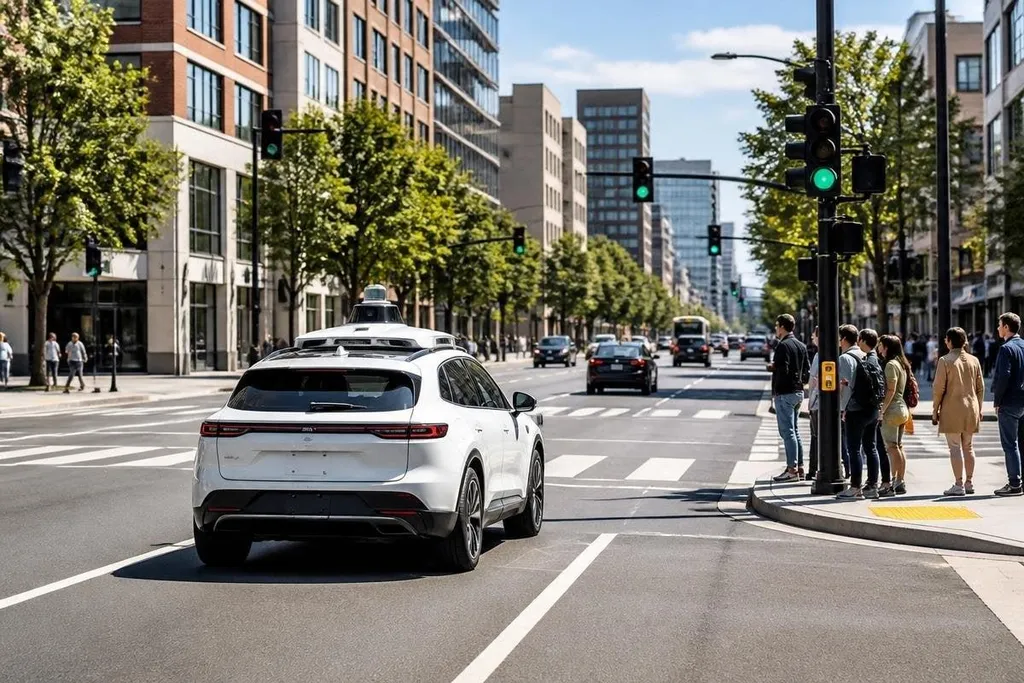
A self-driving vehicle changes more than who holds the steering wheel. It can alter how roads, parking areas, delivery zones, and public transport work together. For city planners, the main question is practical: does automation move more people with less wasted space, or does it add more vehicles to the road?
- Fewer parked cars if vehicles keep moving or return to storage
- More flexible trips for people who cannot drive
- New pressure on road rules, curb space, and public transport
Roads may carry more trips
An autonomous vehicle uses cameras, radar, LiDAR, maps, and onboard computers to read its surroundings and choose a path. The system must detect vehicles, people, road signs, lane markings, and temporary changes such as road works before it can act without a human driver.
That process could make travel easier for people who cannot drive because of age, disability, or a lack of access to a car. It could also let a vehicle collect a passenger, drop them off, and pick up someone else instead of sitting in a parking space for hours.
The result depends on how people use the service. If each passenger requests a separate empty vehicle, the roads may see more trips between passengers. Shared rides could reduce that extra movement, but only if people accept longer routes and short waits.
Parking and the curb will change
Parking takes land close to homes, offices, shops, and public services. An autonomous vehicle that does not need to wait beside its passenger could leave after a drop-off, park farther away, or serve another trip.
That creates a choice for city governments. They could keep large parking areas, or reuse some of that land for housing, trees, walking routes, or local services. The change would take planning and money, since parking fees, building access, and land ownership all shape what can happen.
The curb may become harder to manage. Vehicles could need space to collect passengers, load parcels, charge batteries, or wait for a safe gap in traffic. Without clear rules, a short stop could block a bus lane or a cycle route.
Public transport still has a job
Autonomous cars may work well for trips that start far from a bus or rail stop. They could carry passengers to a transit station, serve low-demand areas, or run at times when a full-size bus would carry few people.
That use would support public transport rather than replace it. A city still needs vehicles that can move many passengers through busy corridors without giving each person a separate road trip. The best mix may use autonomous vehicles for local connections and trains or buses for the busiest routes.
City officials need trial details before they write rules: the vehicle model, route, weather, safety driver, and what happened when the system met a problem. Robot24.com can connect those records to autonomous vehicle tests and city decisions, giving the next section a factual starting point for safety rules.
Safety rules will decide the pace
A vehicle must handle unusual cases, not only clear roads and familiar routes. Construction zones, poor weather, damaged lane markings, emergency vehicles, and people stepping into the road can all test the system.
Cities will also need answers about responsibility. If an automated system makes a mistake, investigators must know what the vehicle saw, what software chose, and whether a human operator could intervene. That requires records, testing rules, and a clear process for reporting failures.
The strongest opposing view is that automated vehicles may reduce crashes caused by human error. That benefit remains tied to evidence from real roads, because a controlled demonstration cannot cover every street condition.
A city planner's decision guide
Before approving a large autonomous-vehicle service, check these points:
- Set the service area: Start with roads whose markings, maps, and speed limits are well documented.
- Reserve curb space: Mark legal places for passenger pickup, parcel loading, and charging.
- Measure empty trips: Count vehicle movement without a passenger, not only completed rides.
- Protect transit lanes: Keep automated pickups from slowing buses or blocking cycle routes.
- Publish safety data: Report system failures, remote interventions, weather limits, and road closures.
- Review land use: Test whether reduced parking demand creates space for homes or public services.
Those checks connect the vehicle to the city around it. A service that works on one route may still cause trouble when many vehicles share the same curb or return empty after every trip.
What happens next
The next phase should focus on measured services rather than citywide promises. Planners need local data on empty mileage, wait times, transit use, curb delays, and safety events before changing road space or approving a wider rollout.
My view is that autonomous vehicles will first reshape specific trips and parking rules, not the whole city at once. The open question is whether cities set those rules before fleets arrive, or let the vehicles set them through daily use.